

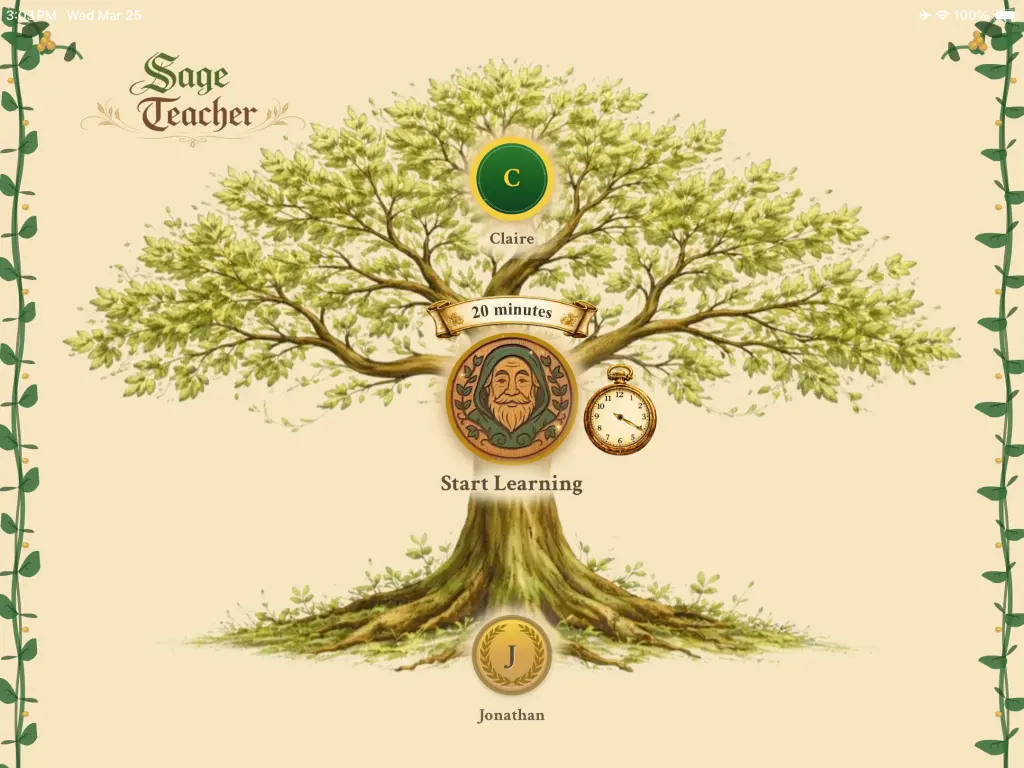
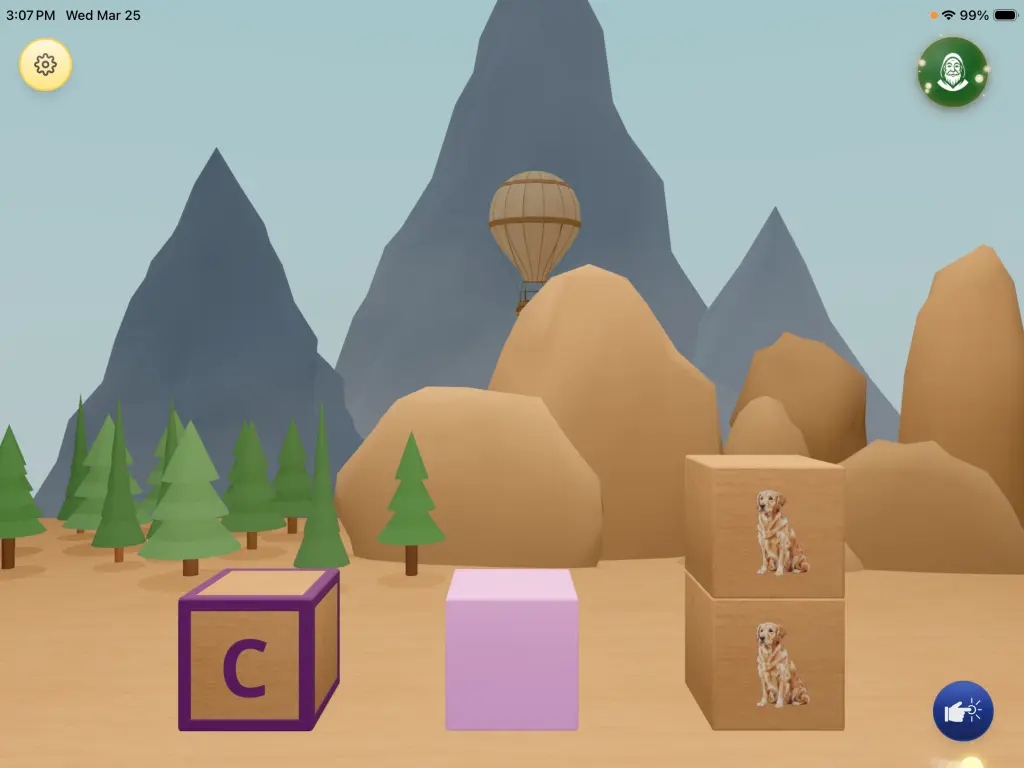
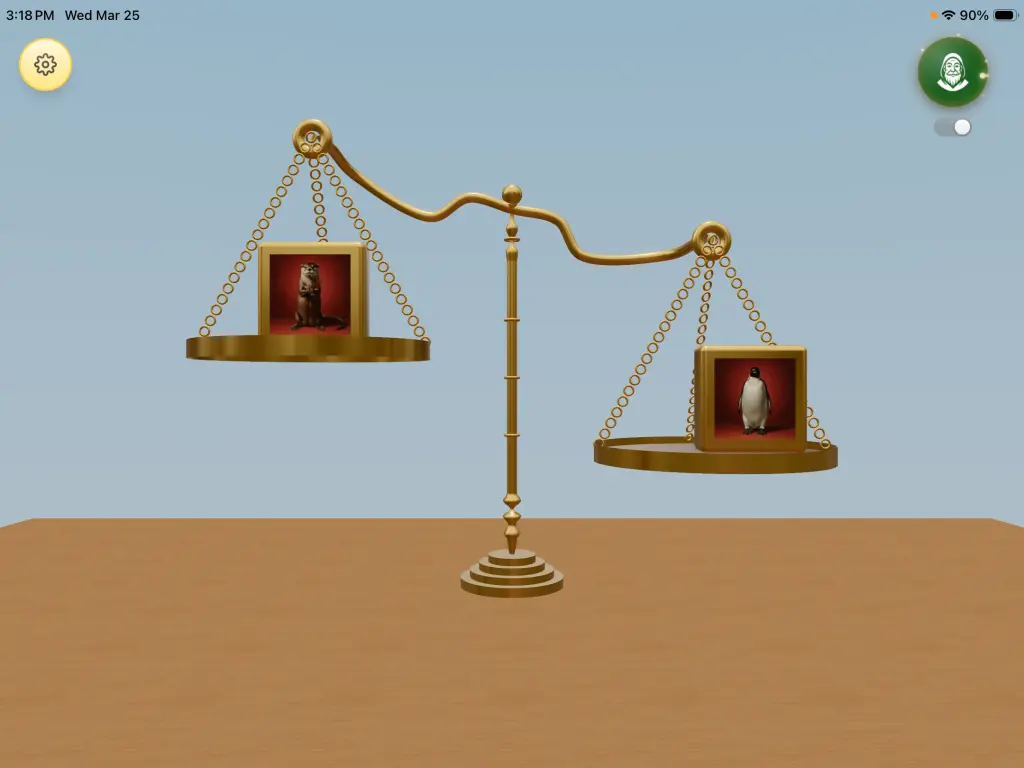
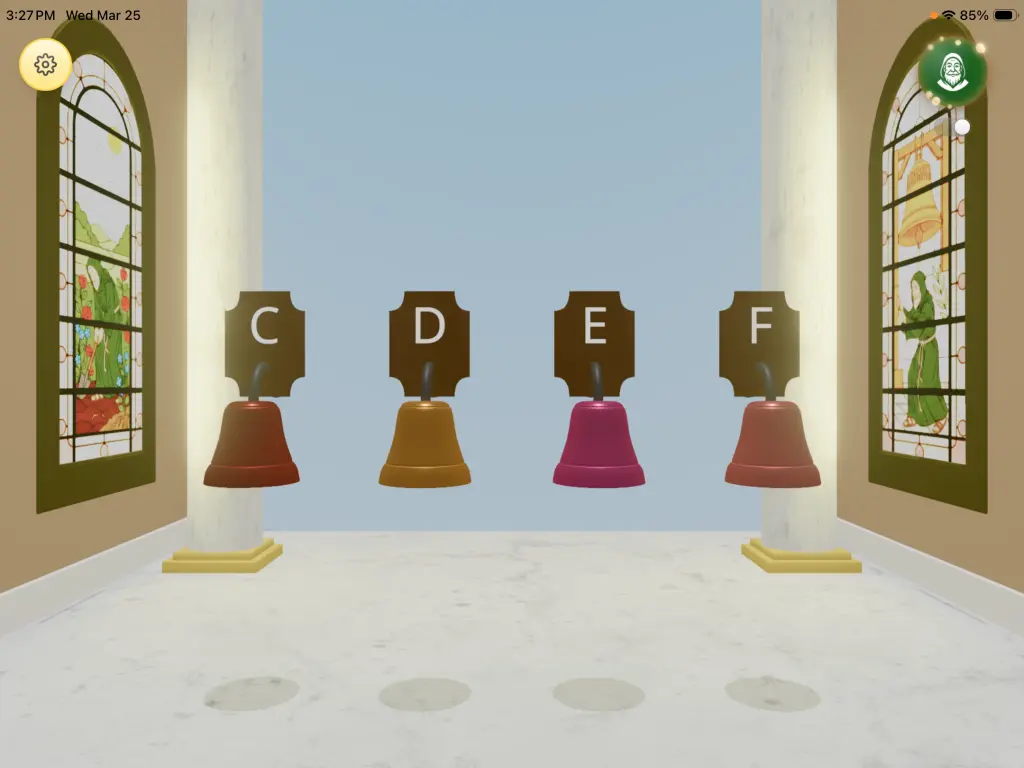
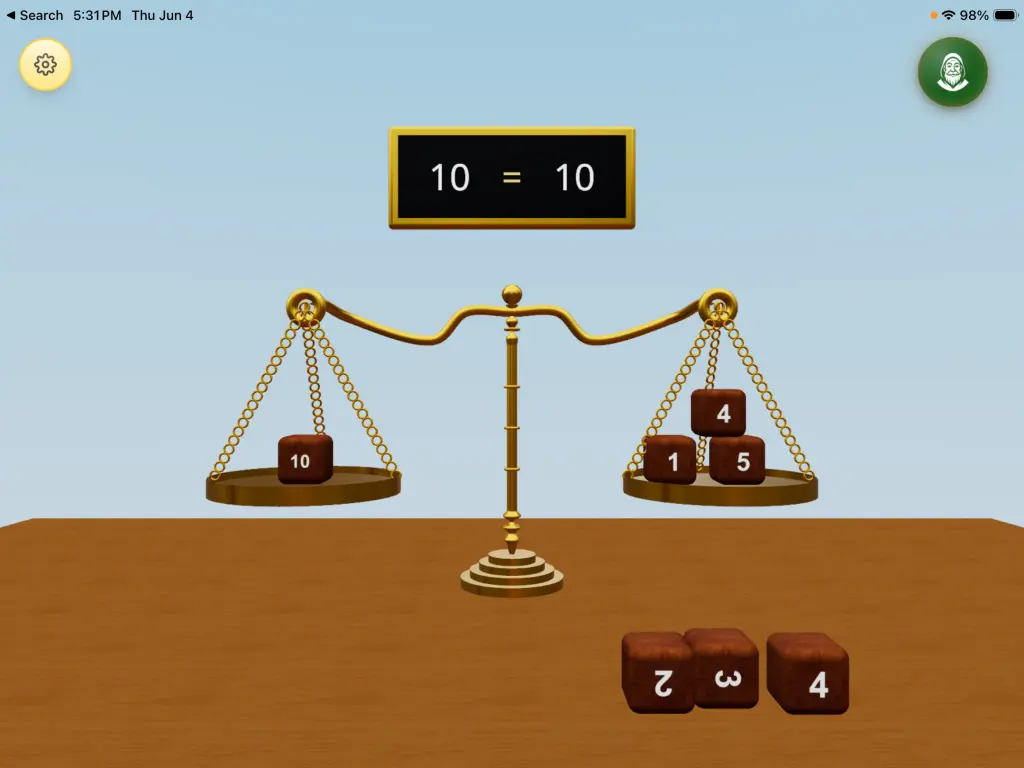
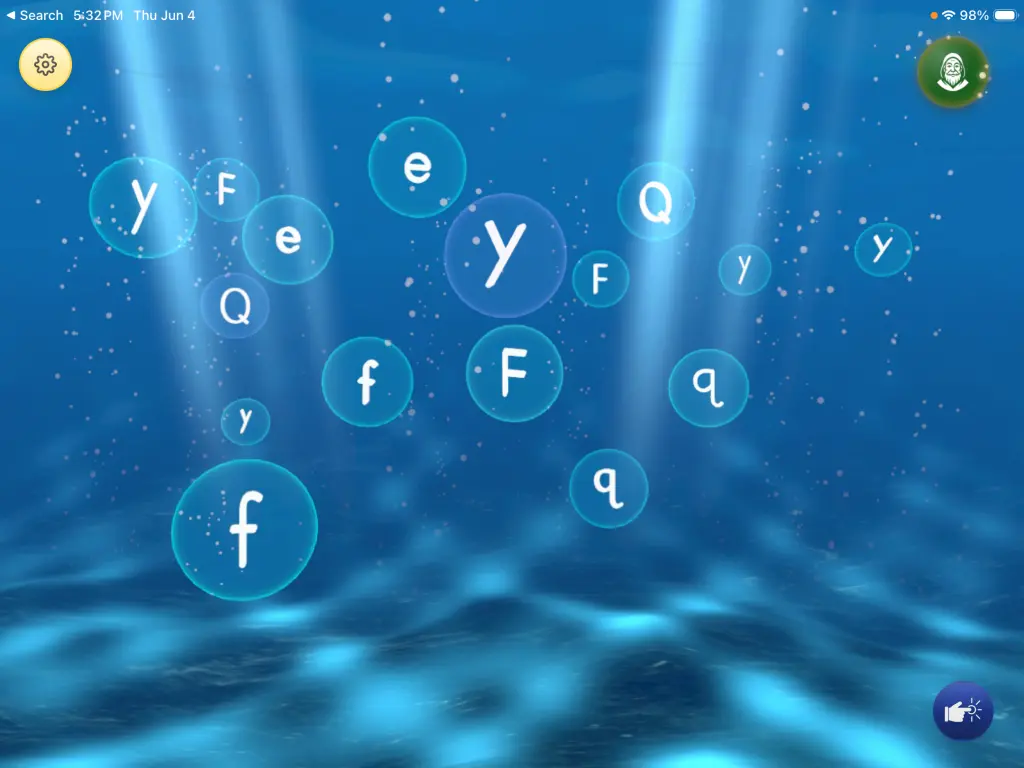
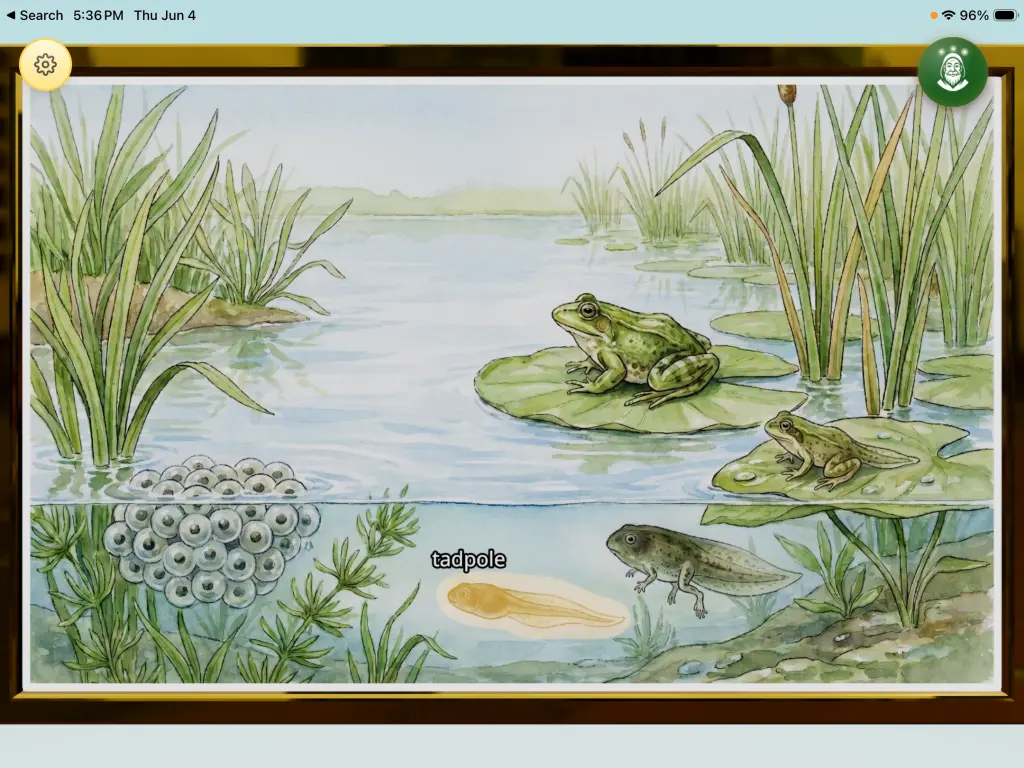
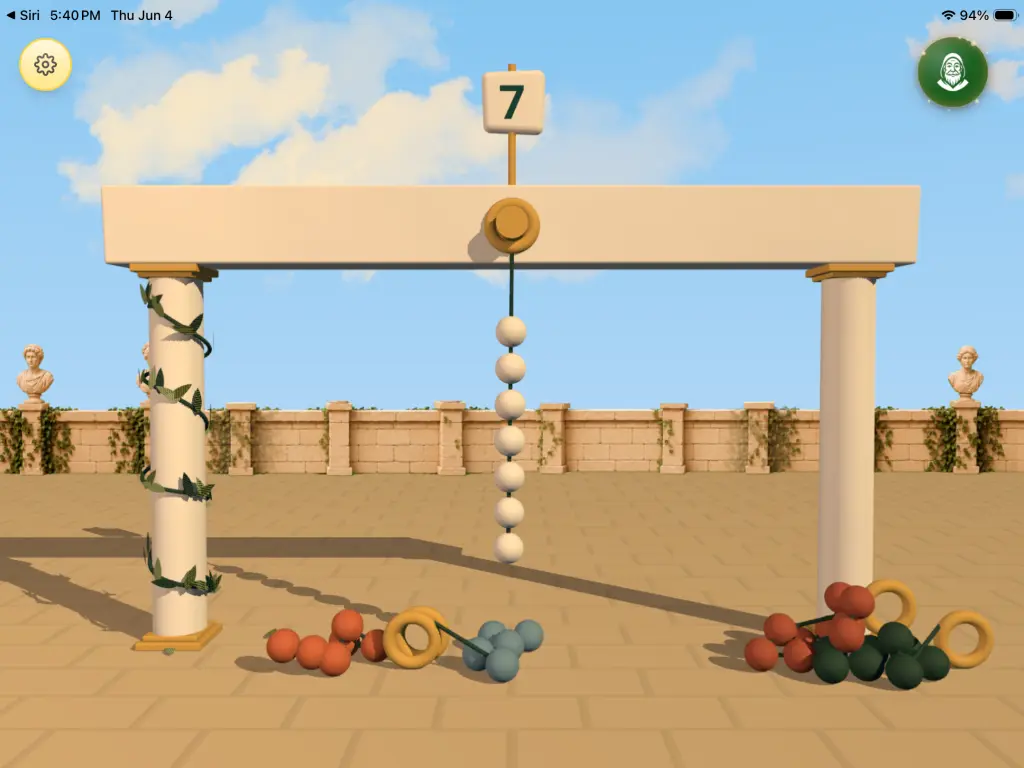
Sage Teacher is an AI-powered early learning application built by former members of the Synthesis team, a group widely recognized for building advanced, collaborative, AI-driven educational tools. It is designed to help young children learn through conversation, hands-on digital manipulatives, and slow, thoughtful problem solving rather than mindless screen tapping. Its target audience is children ages 4 to 8, which makes it a strong fit for homeschool families, micro schools, and parents who want structured, high-quality learning support before or during the early elementary years.
At its heart is Sage, a warm and patient AI guide who talks with each child as they work. The result is an intimate, deeply focused environment that feels purposeful, grounded, and respectful of a young learner’s developing attention span.
Today the app is best understood as an independent learning tool. It is built for homeschool and independent learning settings, and the company is actively pursuing school environments, with classroom features still to come.
Sage Teacher covers reading, math, music, storytelling, spatial reasoning, science, art, nature, and life skills. The library is robust, with content that keeps expanding to serve learners across the full 4 to 8 age range. Math and language arts are taught through interactive scenarios and manipulatives rather than worksheets, which feels like a digital cousin of a Montessori classroom.
Sage Teacher is not formally mapped to state standards. Its learning paths follow natural early childhood milestones instead, and because the AI adapts to each child, a strong learner can move well beyond their age. Standards alignment would be a reasonable future addition, but in the homeschool and independent learning settings the app serves today, it isn’t a major gap.
Children can also explore on their own. A child who wants only science can do science, and a child who wants to wander can wander, which adds student agency and keeps the experience engaging.
The experience is calm, intentional, and low-stimulation. There are no badges, point tallies, streaks, or reward noises. Sage speaks with a warm, nurturing tone that never feels high-pressure, and sessions begin and end with gentle cues rather than abrupt stops.
Sage is highly responsive. Children simply talk, and Sage answers right away with no lag, and a live mode lets the conversation run continuously in the background so a child doesn’t need to press a button each time.
Where Sage really shines is in following a child’s curiosity. During a lesson on the planets, our reviewer asked a stream of unscripted questions. Sage explained why Saturn has rings rather than random orbiting rocks, brought up a relevant graphic, and sped up the simulation on request so we could watch Neptune make a full orbit. When the reviewer asked, as a silly test, why Uranus sounds like a body part, Sage politely agreed it sounds a little funny, then gently clarified the correct pronunciation and carried on with the lesson. It follows genuine curiosity down the rabbit hole and redirects playful silliness without scolding.
The graphics engine is incredibly smooth, with objects that move realistically and without glitches. Sage also reads a child’s level quickly, so a young learner can dive in without sitting through lessons that are too easy.
Sage Teacher runs on iPad and on the web, and it is fast on both. A stable internet connection is important because the voice interaction runs in real time. The app asks for a parental authorization code the first time it is used on a device.
There is no integration with learning management systems such as Canvas, Google Classroom, or Schoology, and no rostering through Clever or ClassLink. At this age, we don’t think those integrations add much value yet.
Sage Teacher offers a 7-day free trial. After that, the monthly plan is $49.99 and the annual plan is $299.99 (about $25 per month). The company advertises a single price for the whole family. For families with a younger child, the annual plan is the better value, given how much content sits inside the app. Families who expect shorter or more occasional use might prefer the monthly option. Pricing can change, so confirm current details on the Sage Teacher website before subscribing.
There is currently no classroom or school pricing, and we couldn’t find a published school plan.
The app needs essentially no training. Its natural-speech interface makes it easy for both children and adults to pick up, and we recommend sitting with your child for the first session or two. We did not find formal educator training materials, which is consistent with an app built primarily for families.
If Sage Teacher moves into schools, as the company is pursuing, teachers will need onboarding materials and a way to view results across a group. Today, progress feedback arrives after each session by email, and optionally by text. The text option is likely helpful for a parent in a homeschool setting, while teachers working with many students will probably prefer email or, better, a dashboard. After a session, parents can also reply and chat with Sage about what their child learned and what to focus on next.
Sage Teacher publishes a COPPA policy and aligns with COPPA and FERPA expectations. Parents create the account and provide the child’s first name, age, and gender, and the app collects learning-progress data to personalize lessons and generate parent reports. The company states that it does not sell, rent, or transfer children’s personal data, and parents can request review, correction, or deletion by contacting the company.
The company’s COPPA policy openly lists its technology vendors: Pipecat Cloud and Daily (live voice sessions), Soniox (speech-to-text), OpenAI (language responses), Cartesia (text-to-speech), and Resend and Sent (email and text delivery). The policy states that Soniox does not store audio or transcripts, and that OpenAI does not use API data for model training by default. The company’s site also says personal data is pseudonymized before it reaches the AI model. Text messaging to parents is optional and requires separate consent and phone verification. This level of transparency is a strength, though as with any voice-based AI tool for children, families should read the policy and decide what they’re comfortable with.
Sage Teacher is an exceptional, beautifully executed piece of early learning software. The patient, philosopher-style guide is responsive and curious, the content library is robust, the graphics are incredibly smooth, and the app adapts to a child’s level quickly. It remains one of the calmest and most thoughtful pieces of learning software we’ve seen, and it has continuously improved in the four months since our original review.
For families, homeschoolers, and micro schools, this is an easy recommendation. We would also encourage teachers in transitional kindergarten, kindergarten, and first grade to try it, whether as a 20- to 30-minute daily independent learning block or for deeper exploration. It may not yet replace a complete academic program on its own, but it clearly has a place in an early learning classroom. Sage Teacher continues to be a solid A and will likely continue to improve as new features are rolled out. As a thoughtful AI guide for young learners, it is among the best we’ve seen.